Ever wonder how the backbone of global commerce operates? B2B companies drive economies by selling products and services to other businesses, not consumers. From tech giants to niche suppliers, their strategies are smarter, longer-term, and packed with potential.





What Are B2B Companies and How Do They Work?

B2B companies—short for business-to-business—are organizations that sell goods or services to other businesses rather than individual consumers. These transactions form the foundation of supply chains, manufacturing, and enterprise innovation. Unlike B2C (business-to-consumer) models, B2B sales cycles are longer, involve multiple stakeholders, and rely heavily on trust, contracts, and value demonstration.
The Core Definition of B2B Companies
At its essence, a B2B company provides products or services that help other businesses operate, grow, or innovate. This can range from raw materials for manufacturing to software platforms that streamline operations. The key differentiator is the target customer: another business entity.
- Examples include Salesforce (CRM software for enterprises), Intel (microchips for device manufacturers), and FedEx (logistics for businesses).
- Revenue models often involve contracts, subscriptions, or bulk pricing agreements.
- Decision-making is typically committee-based, involving procurement, finance, and technical teams.
How B2B Differs from B2C
While both models aim to generate profit, the mechanics of B2B and B2C are fundamentally different. B2C focuses on emotional appeal, impulse buys, and mass marketing. In contrast, B2B emphasizes logic, ROI, and long-term partnerships.
- Sales cycles in B2B can last months or even years, compared to minutes or hours in B2C.
- Marketing in B2B is more educational, using whitepapers, webinars, and case studies.
- Pricing is often customized based on volume, integration needs, or service level agreements.
“B2B is not just about selling a product; it’s about solving a business problem.” — Marc Benioff, CEO of Salesforce
Key Characteristics of Successful B2B Companies
Thriving B2B companies share common traits that set them apart from average players. These characteristics aren’t just about size or revenue—they’re about strategy, customer focus, and operational excellence.
Long Sales Cycles and Relationship Building
One of the defining features of B2B companies is the extended sales cycle. Because purchases are high-value and impact entire operations, buyers conduct thorough evaluations.
- Sales teams must nurture leads over time with consistent follow-ups and value-driven content.
- Relationships often begin with a pilot project or proof of concept before full-scale adoption.
- Customer success teams play a critical role in onboarding and retention.
Complex Decision-Making Processes
Unlike B2C, where one person can make a purchase decision, B2B sales involve multiple stakeholders—each with their own priorities.
- Technical teams assess compatibility and security.
- Finance departments evaluate ROI and budget alignment.
- Executives look at strategic fit and long-term value.
To succeed, B2B companies must create tailored messaging for each stakeholder group. This requires deep market research and persona development. For example, a SaaS provider might offer a technical datasheet for IT managers and a cost-benefit analysis for CFOs.
High Customer Lifetime Value (CLV)
B2B relationships are built to last. Once a company adopts a vendor’s solution, switching costs can be high—making retention more valuable than acquisition.
- Subscription-based models (like Adobe or Microsoft 365) ensure recurring revenue.
- Upselling and cross-selling opportunities are abundant as client needs evolve.
- Customer support and continuous improvement are essential to maintaining trust.
Top Industries Dominated by B2B Companies
B2B activity spans nearly every sector of the economy. However, certain industries are particularly reliant on business-to-business transactions due to their scale, complexity, and supply chain dependencies.
Technology and Software (SaaS)
The tech industry is a powerhouse of B2B innovation. Software-as-a-Service (SaaS) companies like Salesforce, Microsoft, and Oracle provide tools that power enterprise operations.
- Cloud computing, cybersecurity, and AI platforms are in high demand.
- Integration with existing systems is a key selling point.
- Free trials and freemium models help lower entry barriers.
Manufacturing and Industrial Supplies
Manufacturers depend on B2B suppliers for raw materials, machinery, and components. Companies like 3M and Siemens serve as critical links in global production chains.
- Just-in-time inventory systems require reliable B2B logistics.
- Quality control and compliance certifications are non-negotiable.
- Digital transformation is enabling smart factories and predictive maintenance.
Professional Services and Consulting
Firms like McKinsey, Deloitte, and PwC operate entirely in the B2B space, offering expertise in strategy, finance, and operations.
- Value is measured in outcomes, not hours billed.
- Thought leadership through reports and speaking engagements builds credibility.
- Long-term advisory roles deepen client relationships.
How B2B Companies Generate Revenue
Understanding revenue models is crucial for anyone analyzing or building a B2B company. Unlike B2C, where revenue comes from volume, B2B often relies on high-margin, low-volume transactions.
Subscription and Licensing Models
Recurring revenue is the gold standard in B2B. Subscription models provide predictable income and allow for better forecasting.
- SaaS companies charge monthly or annual fees for access to software.
- Licensing fees apply to proprietary technology or intellectual property.
- Tiered pricing lets customers choose features based on needs and budget.
Project-Based and Consulting Fees
Many B2B companies, especially in services, bill clients per project or hour. This model works well for custom solutions.
- IT implementation, system integration, and digital transformation projects fall under this category.
- Fixed-fee contracts reduce uncertainty for clients.
- Retainers ensure ongoing access to expertise.
Wholesale and Bulk Sales
Suppliers to manufacturers or distributors often sell in bulk at discounted rates. This model thrives on volume and logistics efficiency.
- Raw material suppliers (e.g., steel, chemicals) operate this way.
- Volume discounts incentivize larger orders.
- Long-term supply agreements stabilize revenue.
Marketing Strategies That Work for B2B Companies
Marketing to businesses requires a different mindset than consumer marketing. It’s less about flash and more about substance, credibility, and trust-building.
Content Marketing and Thought Leadership
B2B buyers are researchers. They consume content to understand problems and evaluate solutions.
- Whitepapers, case studies, and industry reports position a company as an expert.
- Blogs and SEO help attract organic traffic from decision-makers.
- Webinars and live demos provide interactive learning experiences.
For example, HubSpot’s extensive library of marketing resources has helped establish it as a leader in inbound marketing. Their content doesn’t just sell—it educates.
Account-Based Marketing (ABM)
ABM is a strategic approach where marketing and sales teams collaborate to target high-value accounts with personalized campaigns.
- Instead of broad outreach, ABM focuses on a select few companies.
- Customized messaging, dedicated landing pages, and direct engagement increase conversion rates.
- Tools like 6sense and Demandbase enable precise targeting.
Digital Advertising and LinkedIn Campaigns
While Google Ads are useful, LinkedIn is the go-to platform for B2B advertising due to its professional user base.
- Sponsored content, InMail, and display ads reach decision-makers directly.
- Lead generation forms capture contact info without leaving the platform.
- A/B testing helps refine messaging for maximum impact.
The Role of Technology in Modern B2B Companies
Technology isn’t just a product for B2B companies—it’s a core enabler of their operations, sales, and customer experience.
CRM Systems and Sales Automation
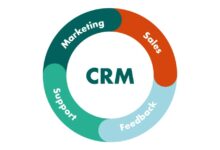
Customer Relationship Management (CRM) platforms like Salesforce and Zoho CRM are essential for managing complex sales pipelines.
- CRMs track interactions, log calls, and automate follow-ups.
- Sales forecasting becomes more accurate with real-time data.
- Integration with email and calendar tools streamlines workflows.
AI and Data Analytics in Decision-Making
Artificial intelligence is transforming how B2B companies understand their markets and customers.
- Predictive analytics identify which leads are most likely to convert.
- Chatbots handle initial inquiries, freeing up human agents for complex tasks.
- Natural language processing analyzes customer feedback and support tickets.
Companies like IBM use AI to enhance their Watson platform, offering data-driven insights to enterprise clients.
E-commerce Platforms for B2B Transactions
While B2C e-commerce is common, B2B e-commerce is growing rapidly. Platforms like Shopify B2B and commercetools enable seamless digital transactions between businesses.
- Self-service portals allow buyers to place orders, check inventory, and track shipments.
- Custom pricing and approval workflows accommodate complex procurement rules.
- Integration with ERP systems ensures data consistency across departments.
Challenges Facing B2B Companies Today
Despite their strengths, B2B companies face unique challenges in an evolving global economy. Adapting to these pressures is key to long-term survival.
Long Sales Cycles and Lead Conversion
The extended time it takes to close a B2B deal can strain resources and delay revenue.
- Marketing must generate high-quality leads that sales can convert.
- Lead nurturing campaigns keep prospects engaged over time.
- Clear value propositions reduce hesitation and speed up decisions.
Customer Retention and Churn
Even with high CLV, losing a major client can have a significant financial impact.
- Proactive customer success programs reduce churn.
- Regular check-ins and satisfaction surveys identify issues early.
- Product updates and new features keep clients engaged.
Global Competition and Market Saturation
As digital barriers fall, B2B companies face competition from around the world.
- Price pressure increases as more players enter the market.
- Differentiation through innovation or service becomes critical.
- Localization of marketing and support improves global appeal.
Future Trends Shaping B2B Companies
The future of B2B is digital, data-driven, and customer-centric. Companies that embrace these trends will lead the next wave of growth.
The Rise of AI-Powered Sales Assistants
AI is no longer a novelty—it’s a necessity. Virtual sales assistants can qualify leads, schedule meetings, and even draft proposals.
- Tools like Exceed.ai automate early-stage conversations.
- Machine learning improves response accuracy over time.
- Human reps focus on high-value negotiations and relationship management.
Sustainability and Ethical Sourcing
More businesses are demanding sustainable practices from their suppliers.
- Carbon footprint reporting is becoming a standard requirement.
- Recycled materials and energy-efficient processes add value.
- Transparency in supply chains builds trust with eco-conscious clients.
Hybrid Buying Models: Digital + Human Touch
The pandemic accelerated digital adoption, but human interaction remains vital in B2B.
- Buyers expect seamless online experiences with easy access to experts.
- Videos, demos, and virtual meetings replace in-person visits.
- Hybrid sales teams combine digital outreach with strategic human engagement.
What defines a B2B company?
A B2B company sells products or services to other businesses rather than individual consumers. These transactions are typically larger, involve longer sales cycles, and require relationship-building and customization.
How do B2B companies make money?
B2B companies generate revenue through various models including subscriptions, licensing fees, project-based consulting, and wholesale sales. Recurring revenue from SaaS platforms is particularly common and profitable.
What is the difference between B2B and B2C marketing?
B2B marketing focuses on logic, ROI, and long-term value, using content like whitepapers and webinars. B2C marketing appeals to emotions and impulse, using ads and promotions aimed at mass audiences.
Which industries are dominated by B2B companies?
Key industries include technology (especially SaaS), manufacturing, industrial supplies, professional services, logistics, and healthcare equipment suppliers.
What are the biggest challenges for B2B companies?
Major challenges include long sales cycles, customer retention, global competition, and adapting to digital transformation. Building trust and demonstrating clear value are essential to overcoming these hurdles.
B2B companies are the engine of global commerce, powering everything from tech innovation to manufacturing and logistics. Unlike B2C, they thrive on relationships, long-term value, and strategic decision-making. From subscription models to AI-driven sales tools, the landscape is evolving rapidly. Success in this space requires a deep understanding of customer needs, a commitment to innovation, and the ability to adapt to changing market dynamics. Whether you’re building, investing in, or partnering with B2B companies, the future is digital, data-rich, and full of opportunity.
Further Reading: