Ever wonder why some companies grow faster than others? The secret often lies in their B2B game. In this deep dive, we’ll unpack everything you need to know about B2B—its mechanics, strategies, and real-world impact.





What Exactly Is B2B?

The term B2B, or business-to-business, refers to transactions between companies rather than between a company and individual consumers (B2C). These interactions form the backbone of global commerce, fueling supply chains, innovation, and economic growth.
Defining B2B in Modern Commerce
B2B involves one business selling products or services to another. This could be a software company licensing its platform to a financial firm, a manufacturer supplying raw materials to a producer, or a logistics provider offering shipping solutions to retailers.
- Transactions are typically larger in scale and volume than B2C.
- Decision-making processes are longer and involve multiple stakeholders.
- Relationships are often long-term and contract-based.
According to IBISWorld, the B2B sector accounts for over 80% of all commercial transactions globally, making it a dominant force in the economy.
Key Differences Between B2B and B2C
While both models involve selling, the approach, messaging, and customer journey differ significantly.
- Audience: B2B targets professionals and organizations; B2C targets individual consumers.
- Sales Cycle: B2B cycles are longer, often spanning weeks or months; B2C decisions are usually faster.
- Marketing Tone: B2B emphasizes ROI, efficiency, and scalability; B2C focuses on emotion, lifestyle, and personal benefit.
“B2B is not about selling to a company—it’s about solving a business problem.” — Marc Benioff, CEO of Salesforce
The Evolution of B2B Over the Decades
B2B has undergone a radical transformation, shaped by technology, globalization, and shifting buyer expectations. Understanding its evolution helps businesses anticipate future trends.
From Catalogs to Cloud: The Digital Shift
In the 1980s and 1990s, B2B transactions relied heavily on printed catalogs, trade shows, and face-to-face sales. The internet changed everything. By the early 2000s, platforms like Alibaba and ThomasNet digitized procurement, enabling global sourcing at scale.
Today, cloud-based platforms like SAP Ariba and Oracle Procurement Cloud streamline purchasing, invoicing, and supplier management. These tools have reduced friction and increased transparency in B2B commerce.
The Rise of E-Procurement and Automation
Automation has become a cornerstone of modern B2B operations. E-procurement systems now handle everything from purchase requisitions to vendor evaluations.
- AI-driven tools predict inventory needs and optimize ordering.
- Chatbots assist with customer support and order tracking.
- Blockchain is being tested for secure, transparent supply chain tracking.
A McKinsey report found that companies using digital procurement tools saw a 15–20% reduction in operational costs and a 30% improvement in cycle times.
B2B Marketplaces: The New Frontier
B2B marketplaces are redefining how businesses buy and sell. These platforms aggregate suppliers and buyers, creating efficient, scalable ecosystems.
How B2B Marketplaces Work
Similar to B2C platforms like Amazon, B2B marketplaces like Amazon Business, Alibaba, and Faire connect sellers with business buyers. They offer:
- Centralized product catalogs with real-time pricing.
- Volume-based discounts and bulk ordering options.
- Integrated payment and logistics solutions.
These platforms reduce search costs and accelerate purchasing decisions, especially for SMEs.
Benefits and Challenges of B2B Marketplaces
While the advantages are clear, entering a marketplace comes with trade-offs.
- Pros: Increased visibility, lower customer acquisition costs, access to global markets.
- Cons: Lower margins due to competition, less control over branding, dependency on platform algorithms.
For example, a manufacturer selling on Alibaba may reach thousands of buyers but must compete on price and shipping speed, often squeezing profit margins.
“Marketplaces are not just channels—they’re ecosystems that redefine value exchange.” — Brian Wong, Founder of Kiip
B2B Sales: Strategies That Actually Work
Selling in the B2B space requires a strategic, consultative approach. Unlike B2C, where impulse buying is common, B2B buyers demand data, proof, and long-term value.
The Consultative Selling Model
This approach positions the salesperson as a trusted advisor rather than a pushy vendor. It involves:
- Deeply understanding the client’s business challenges.
- Asking open-ended questions to uncover pain points.
- Presenting tailored solutions backed by case studies and ROI projections.
According to HubSpot, companies using consultative selling techniques close deals 27% faster and achieve 35% higher customer retention.
Leveraging Data and CRM in B2B Sales
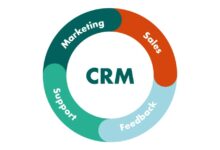
Modern B2B sales rely heavily on data. Customer Relationship Management (CRM) systems like Salesforce and Zoho CRM track every interaction, from initial contact to post-sale support.
- Sales teams use CRM data to personalize outreach and predict buyer behavior.
- AI-powered analytics identify high-intent leads and optimal follow-up times.
- Automated workflows reduce administrative burden and improve response times.
A Nucleus Research study found that every dollar invested in CRM generates an average return of $8.71.
B2B Marketing: Beyond Traditional Tactics
B2B marketing has evolved from cold calls and trade shows to sophisticated digital strategies. Today’s buyers are informed, independent, and expect personalized experiences.
Content Marketing as a B2B Power Tool
High-quality content builds trust and positions a brand as an industry leader. Effective B2B content includes:
- Whitepapers and research reports that address industry challenges.
- Webinars and live demos that showcase product value.
- Case studies that prove real-world results.
For example, HubSpot grew its user base from zero to millions by offering free, high-value content on inbound marketing—a strategy now emulated across B2B sectors.
The Role of SEO and Social Selling
Search Engine Optimization (SEO) is critical for B2B visibility. Most B2B buyers start their journey with a Google search. Optimizing for keywords like “best CRM for small business” or “cloud-based ERP solutions” can drive qualified traffic.
- LinkedIn is the top platform for B2B social selling, with 80% of B2B leads coming from the network.
- Sales professionals use LinkedIn to engage prospects, share insights, and build credibility.
- SEO-optimized blogs and landing pages convert visitors into leads through gated content.
A Backlinko analysis revealed that pages ranking in the top 3 Google results receive 60% of all clicks, underscoring the importance of SEO in B2B lead generation.
“In B2B, content isn’t king—context is king.” — Ann Handley, Chief Content Officer at MarketingProfs
B2B E-Commerce: The Digital Transformation
B2B e-commerce is no longer optional—it’s essential. Companies that fail to digitize their sales channels risk losing relevance and market share.
Why B2B E-Commerce Is Growing Rapidly
The global B2B e-commerce market is projected to reach $20.9 trillion by 2027, according to Forrester Research. This growth is driven by:
- Buyer expectations for Amazon-like experiences.
- Demand for 24/7 ordering and self-service portals.
- Need for integration with ERP and inventory systems.
For instance, industrial supplier Grainger saw a 40% increase in online sales after revamping its digital platform with personalized dashboards and AI-driven product recommendations.
Building a Successful B2B E-Commerce Platform
A winning B2B e-commerce site must go beyond basic functionality. Key features include:
- Custom pricing and contract-based access.
- Multiple user roles and approval workflows.
- Seamless integration with CRM, ERP, and payment systems.
Platforms like Shopify B2B, Adobe Commerce (Magento), and BigCommerce offer robust solutions tailored to B2B needs.
The Future of B2B: Trends to Watch
The B2B landscape is evolving at breakneck speed. Staying ahead requires foresight and agility. Here are the most impactful trends shaping the future.
AI and Machine Learning in B2B Operations
Artificial Intelligence is transforming how B2B companies operate. From predictive analytics to chatbots, AI enhances efficiency and personalization.
- AI-powered sales assistants prioritize leads and suggest next steps.
- Machine learning models forecast demand and optimize pricing.
- Natural language processing enables voice-enabled ordering for warehouse staff.
According to Gartner, by 2025, 75% of B2B sales interactions will occur in digital channels, many powered by AI.
Sustainability and Ethical Sourcing in B2B
Corporate responsibility is no longer a niche concern. Buyers increasingly favor suppliers with strong ESG (Environmental, Social, and Governance) practices.
- Companies like Unilever and IKEA require suppliers to meet strict sustainability criteria.
- Blockchain is being used to verify ethical sourcing of raw materials.
- Carbon footprint tracking is becoming a standard feature in procurement software.
A PwC survey found that 73% of B2B buyers consider sustainability when choosing a vendor.
“Sustainability is not a cost center—it’s a competitive advantage.” — Paul Polman, Former CEO of Unilever
What is B2B, and how does it differ from B2C?
B2B, or business-to-business, refers to transactions where one company sells products or services to another. Unlike B2C (business-to-consumer), B2B involves longer sales cycles, multiple decision-makers, and a focus on ROI and operational efficiency rather than emotional appeal.
What are the biggest B2B marketplaces today?
Some of the largest B2B marketplaces include Alibaba, Amazon Business, ThomasNet, Faire, and Global Sources. These platforms connect suppliers with business buyers globally, offering everything from raw materials to finished goods.
How important is content marketing in B2B?
Extremely important. B2B buyers rely on content to research solutions and validate decisions. Whitepapers, case studies, webinars, and blogs help build trust, demonstrate expertise, and nurture leads through the sales funnel.
What role does CRM play in B2B sales?
CRM (Customer Relationship Management) systems are essential in B2B sales. They centralize customer data, track interactions, automate follow-ups, and provide insights for personalized selling. Tools like Salesforce and HubSpot CRM help teams close deals faster and improve customer retention.
Is B2B e-commerce growing?
Yes, rapidly. The global B2B e-commerce market is expected to exceed $20 trillion by 2027. Digital transformation, buyer expectations for self-service, and integration with enterprise systems are driving this growth.
The B2B landscape is more dynamic than ever. From digital marketplaces to AI-driven sales, the way businesses buy and sell is undergoing a profound shift. Success in this space requires more than just a product—it demands strategy, insight, and adaptability. By embracing modern tools, prioritizing customer value, and staying ahead of trends, companies can not only survive but thrive in the evolving B2B world.
Further Reading: