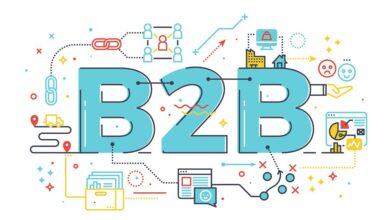
Ever wondered what ‘b2b meaning’ really is? It’s more than just business jargon—it’s the backbone of global commerce. Let’s break it down in simple, powerful terms.





Understanding the Core B2B Meaning

The term b2b meaning refers to ‘business-to-business’—a model where companies sell products or services to other businesses, not individual consumers. This model powers supply chains, tech ecosystems, and industrial networks worldwide.
What Does B2B Stand For?
B2B stands for ‘Business-to-Business’. It describes transactions between two companies, such as a software provider selling to a corporation or a manufacturer supplying parts to another factory.
- It contrasts with B2C (Business-to-Consumer), where companies sell directly to end users.
- B2B transactions are typically larger in volume and value.
- The decision-making process is longer and involves multiple stakeholders.
Historical Evolution of B2B Commerce
B2B has existed since the dawn of trade, but modern B2B evolved with industrialization. The 20th century saw formalized supply chains, and the internet revolutionized B2B with e-commerce platforms.
According to Investopedia, B2B e-commerce sales are projected to reach $20.9 trillion by 2027, showcasing its massive scale.
“B2B is not just a transaction model—it’s an ecosystem of interdependence.” — Harvard Business Review
Key Differences Between B2B and B2C
Understanding the b2b meaning requires contrasting it with B2C. While both involve selling, their strategies, audiences, and sales cycles differ significantly.
Target Audience and Decision Makers
In B2B, the buyer is often a company or a team within an organization. Purchases are made by procurement departments, managers, or executives after thorough evaluation.
- B2B buyers prioritize ROI, efficiency, and long-term value.
- Decisions are rational, data-driven, and often require approval from multiple levels.
- Relationships are long-term and built on trust and performance.
Sales Cycle and Process Complexity
B2B sales cycles are longer and more complex than B2C. A single deal can take weeks or months, involving demos, negotiations, contracts, and onboarding.
For example, selling enterprise software may require integration planning, security audits, and training sessions before deployment.
Core Components of B2B Business Models
The b2b meaning becomes clearer when we examine the structural elements that define how B2B companies operate and create value.
Supply Chain and Distribution Networks
B2B companies are integral to supply chains. Manufacturers rely on raw material suppliers, distributors, and logistics partners to deliver products.
- Just-in-time manufacturing depends on reliable B2B suppliers.
- Globalization has expanded B2B networks across continents.
- Digital platforms like Alibaba connect suppliers and buyers worldwide.
Value Proposition and Customer Relationships
In B2B, value is measured in efficiency, cost savings, and scalability. Companies sell solutions that improve operations, reduce downtime, or enhance productivity.
For instance, Salesforce offers CRM tools that help businesses manage customer data and sales pipelines more effectively. Learn more at Salesforce.
B2B Marketing: Strategies That Drive Results
Marketing based on the b2b meaning differs from consumer marketing. It’s more targeted, educational, and relationship-focused.
Content Marketing and Thought Leadership
B2B buyers seek information before making decisions. Companies use blogs, whitepapers, webinars, and case studies to educate prospects.
- HubSpot’s inbound marketing model is a prime example of B2B content success.
- Content builds credibility and positions brands as industry leaders.
- SEO plays a critical role in attracting organic B2B traffic.
Digital Advertising and Lead Generation
Paid ads on LinkedIn, Google, and industry-specific platforms target decision-makers with precision. Lead generation funnels capture contact info through gated content.
According to Forbes, 72% of B2B marketers say content marketing increases engagement and lead quality.
Technology and Digital Transformation in B2B
The modern interpretation of b2b meaning is shaped by technology. Digital tools have transformed how businesses connect, negotiate, and transact.
B2B E-Commerce Platforms
Platforms like Amazon Business, Shopify B2B, and SAP Ariba enable seamless ordering, invoicing, and inventory management.
- These platforms offer bulk pricing, credit terms, and API integrations.
- Mobile access allows procurement teams to order from anywhere.
- AI-driven recommendations improve purchasing efficiency.
Automation and CRM Systems
Customer Relationship Management (CRM) systems like Zoho and Microsoft Dynamics automate sales workflows, track interactions, and forecast revenue.
Automation reduces manual tasks, minimizes errors, and enhances customer experience. Explore Zoho’s B2B solutions at Zoho.
Challenges in the B2B Landscape
Despite its advantages, the b2b meaning also encompasses significant challenges that companies must navigate to succeed.
Long Sales Cycles and High Acquisition Costs
B2B sales require nurturing leads over time. This increases customer acquisition costs (CAC) and demands sustained marketing efforts.
- Companies invest in sales teams, demos, and follow-ups.
- Churn is costly; retaining clients is crucial.
- ROI is measured over months or years, not days.
Complex Buyer Personas and Stakeholder Management
A single B2B sale may involve CFOs, IT managers, operations leads, and legal teams. Each has different priorities and concerns.
Marketing messages must be tailored to each persona, requiring deep research and segmentation.
Future Trends Shaping B2B Meaning
The b2b meaning is evolving with innovation, globalization, and changing buyer expectations. Here’s what’s coming next.
AI and Predictive Analytics
Artificial Intelligence is transforming B2B sales and marketing. AI analyzes customer behavior, predicts buying patterns, and personalizes outreach.
- Chatbots handle initial inquiries 24/7.
- Predictive lead scoring identifies high-potential prospects.
- Dynamic pricing models adjust based on demand and history.
Sustainability and Ethical Sourcing
Modern B2B buyers prioritize sustainability. Companies demand eco-friendly packaging, carbon-neutral shipping, and ethical labor practices from suppliers.
A McKinsey report found that 60% of B2B customers are willing to pay more for sustainable products.
Real-World Examples of B2B Success
Understanding b2b meaning is easier with real cases. Let’s look at companies that mastered the B2B model.
IBM: From Hardware to Cloud Services
IBM transitioned from selling computers to offering enterprise cloud solutions, AI, and consulting services.
- Its B2B focus shifted to digital transformation for large organizations.
- Watson AI helps businesses automate customer service and data analysis.
- Partnerships with governments and Fortune 500 companies drive growth.
Shopify: Empowering Other Businesses
While Shopify sells to consumers, its core model is B2B—providing tools for businesses to build online stores.
It offers APIs, payment gateways, and inventory management systems. Visit Shopify to see how it supports B2B commerce.
B2B Meaning in Global Markets
The b2b meaning extends beyond borders. International trade relies heavily on B2B relationships between suppliers, distributors, and manufacturers.
Cross-Border B2B Trade
Globalization has made B2B commerce international. A German carmaker may source parts from Japan, assemble in Mexico, and sell in the US.
- Currency fluctuations, tariffs, and regulations add complexity.
- Digital platforms simplify cross-border payments and compliance.
- Trade agreements like USMCA facilitate smoother B2B transactions.
Emerging Markets and B2B Growth
Countries like India, Indonesia, and Nigeria are seeing rapid B2B growth due to digital adoption and infrastructure development.
Local platforms like Jumia in Africa and Flipkart Wholesale in India are transforming regional B2B ecosystems.
Measuring B2B Success: Key Metrics
Success in B2B isn’t just about revenue. It’s about sustainable growth, customer satisfaction, and operational efficiency.
Customer Acquisition Cost (CAC) and Lifetime Value (LTV)
LTV:CAC ratio is critical. A healthy ratio is 3:1—meaning a customer’s lifetime value is three times the cost to acquire them.
- High CAC requires longer retention to break even.
- Upselling and cross-selling improve LTV.
- Referral programs reduce CAC over time.
Net Promoter Score (NPS) and Retention Rate
NPS measures customer loyalty. B2B companies with high NPS often enjoy repeat business and referrals.
Retention rate indicates how well a company keeps its clients. A 5% increase in retention can boost profits by 25%–95%, according to Harvard Business Review.
B2B Meaning in the Digital Age: A Summary
The b2b meaning has evolved from simple supplier relationships to complex digital ecosystems. Today, it’s about integration, intelligence, and impact.
Integration of Systems and Platforms
Modern B2B success depends on seamless integration between CRM, ERP, e-commerce, and communication tools.
- APIs enable real-time data exchange.
- Cloud-based platforms ensure scalability.
- Interoperability reduces friction in transactions.
Intelligence Through Data and AI
Data is the new currency in B2B. Companies that leverage analytics gain a competitive edge.
AI-driven insights help forecast demand, personalize offers, and optimize pricing strategies.
Impact on Business Efficiency and Innovation
B2B partnerships drive innovation. Collaborations between tech firms and manufacturers lead to smarter products and processes.
For example, Siemens works with industrial clients to implement IoT solutions that monitor equipment performance in real time.
How to Build a Successful B2B Strategy
Now that you understand the b2b meaning, how do you apply it? Here’s a step-by-step guide.
Define Your Ideal Customer Profile (ICP)
Not all businesses are your customers. Identify industries, company sizes, and pain points that align with your solution.
- Use market research and customer interviews.
- Analyze existing clients to find common traits.
- Create detailed buyer personas for targeting.
Develop a Value-Driven Sales Process
Sell outcomes, not features. Focus on how your product solves specific business problems.
Train sales teams to ask consultative questions and position solutions as strategic investments.
Invest in Customer Success
Onboarding, training, and ongoing support ensure clients get value from your product.
Happy customers become advocates and reduce churn.
What is the basic b2b meaning?
The basic b2b meaning is ‘business-to-business’, referring to transactions where one company sells products or services to another company, rather than to individual consumers. It’s foundational to global supply chains and enterprise operations.
How does B2B differ from B2C?
B2B involves longer sales cycles, multiple decision-makers, and rational, value-driven purchases. B2C is typically faster, emotionally influenced, and targets individual consumers with simpler buying processes.
What are common B2B business models?
Common B2B models include manufacturers selling to distributors, SaaS companies offering software to enterprises, wholesalers supplying retailers, and service providers like consultants or logistics firms working with businesses.
Why is B2B marketing more complex?
B2B marketing is more complex because it targets professionals with specific needs, requires educational content, and involves nurturing leads over long periods. Messaging must address multiple stakeholders and demonstrate clear ROI.
What role does technology play in modern B2B?
Technology enables B2B e-commerce, automation, data analytics, and AI-driven personalization. Platforms like CRM systems and digital marketplaces streamline operations and enhance customer experiences in the B2B space.
Understanding the b2b meaning is essential for anyone involved in modern business. It’s not just about selling—it’s about building ecosystems, driving innovation, and creating long-term value. From supply chains to digital platforms, B2B shapes how companies operate globally. By mastering its principles, strategies, and trends, businesses can achieve sustainable growth and competitive advantage in an ever-evolving marketplace.
Further Reading: