In today’s interconnected digital economy, the B2B2C model is reshaping how businesses collaborate and deliver value. It’s not just a buzzword—it’s a strategic evolution that blends supply chain efficiency with direct customer engagement. Let’s dive into what makes B2B2C a game-changer.




Understanding the B2B2C Business Model

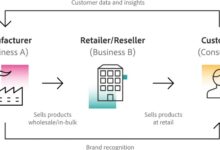
The B2B2C (Business-to-Business-to-Consumer) model represents a hybrid approach where one business sells its products or services to another business, which then delivers them directly to the end consumer. Unlike traditional B2B or B2C models, B2B2C creates a shared ecosystem where value is co-created across multiple stakeholders.
What Does B2B2C Stand For?
B2B2C stands for Business-to-Business-to-Consumer. This means Company A provides a product or service to Company B, which integrates it into its own offering and sells it to the final customer. The end user may not even be aware of Company A’s involvement, yet their experience is shaped by both entities.
- Company A: The original provider (e.g., a software developer or manufacturer)
- Company B: The intermediary or distributor (e.g., a retailer or platform)
- End Consumer: The individual who uses the product or service
This layered structure enables scalability, brand extension, and deeper market penetration without either party needing to manage the entire customer journey alone.
How B2B2C Differs from B2B and B2C
While B2B focuses on transactions between companies and B2C targets consumers directly, B2B2C bridges the gap. In B2B, the buyer is another business making procurement decisions. In B2C, the focus is on emotional appeal, branding, and individual purchasing behavior.
“The B2B2C model allows companies to leverage each other’s strengths—scale from the B2B side and customer intimacy from the B2C side.” — Harvard Business Review
In contrast, B2B2C requires alignment in branding, customer experience, data sharing, and service delivery. For example, when a bank offers a third-party financial planning tool within its app, the customer interacts with the bank (B2C), but the tool comes from a fintech partner (B2B). The success of the offering depends on seamless integration and trust across both layers.
Real-World Examples of B2B2C in Action
One of the most prominent examples is Amazon Web Services (AWS). AWS provides cloud infrastructure (B2B) to companies like Netflix, which then delivers streaming content (B2C) to millions of users. Consumers don’t interact with AWS directly, but their viewing experience—streaming quality, uptime, speed—is heavily influenced by it.
- Adobe Creative Cloud: Sold to enterprises (B2B), used by individual designers (B2C)
- Stripe: Provides payment processing to online stores (B2B), enabling smooth checkout for shoppers (B2C)
- OEM Automotive Parts: Bosch supplies parts to car manufacturers (B2B), who sell vehicles to drivers (B2C)
These cases illustrate how B2B2C creates invisible yet critical value chains. You can explore more about AWS’s role in B2B2C ecosystems on their official page: AWS on B2B2C.
The Strategic Advantages of the B2B2C Model
Adopting a B2B2C strategy offers numerous competitive advantages, especially in industries where customer experience, technology integration, and distribution networks are key differentiators. Companies that master this model often achieve faster growth, higher customer retention, and stronger brand equity.
Expanded Market Reach Through Partnerships
One of the biggest benefits of B2B2C is access to new markets without the need for direct sales infrastructure. By partnering with established businesses that already have customer bases, suppliers can scale rapidly.
For instance, a health tech startup developing AI-powered diagnostic tools can integrate its solution into a large hospital network’s platform. The hospital handles patient relationships (B2C), while the startup provides backend intelligence (B2B). This allows the startup to reach thousands of patients overnight, bypassing lengthy go-to-market processes.
- Reduces customer acquisition costs
- Leverages existing trust and brand loyalty
- Enables entry into regulated or complex markets (e.g., healthcare, finance)
This kind of partnership is common in SaaS ecosystems. Salesforce, for example, hosts hundreds of third-party apps on its AppExchange, allowing developers to reach enterprise clients through Salesforce’s vast user base. Learn more at Salesforce AppExchange.
Enhanced Customer Experience via Integration
B2B2C allows for deeply integrated experiences that feel native to the end user. When done well, the transition between the B2B provider and the B2C interface is seamless.
Take food delivery platforms like Uber Eats. Restaurants (B2B) supply menus and inventory, while Uber Eats handles logistics, marketing, and customer service (B2C). The diner sees a unified app experience—ordering, tracking, payment—all under the Uber Eats brand, even though multiple parties are involved behind the scenes.
“Seamlessness is the hallmark of successful B2B2C models. The consumer shouldn’t have to think about who’s doing what—only that it works.” — McKinsey & Company
To achieve this, companies must invest in APIs, data interoperability, and co-branded support systems. The goal is to eliminate friction points that could erode trust or satisfaction.
Data Sharing and Joint Insights
Another powerful advantage of B2B2C is the potential for shared data analytics. When both parties agree to exchange anonymized usage patterns, purchase behaviors, and feedback, they can co-develop better products and services.
For example, a smart home device manufacturer (B2B) might partner with an energy utility company (B2C) to offer customers real-time energy monitoring. The manufacturer gains insights into how devices are used in real homes, while the utility can personalize billing plans and reduce peak load demand.
- Enables predictive maintenance and proactive service
- Supports dynamic pricing and personalized offers
- Improves product development cycles through real-world feedback
However, data sharing must comply with privacy regulations like GDPR or CCPA. Transparent consent mechanisms and secure data pipelines are essential. More on data ethics in B2B2C can be found at IAPP on GDPR Compliance.
Challenges and Risks in B2B2C Relationships
Despite its many benefits, the B2B2C model introduces complexity that can lead to conflicts, misaligned incentives, and operational bottlenecks if not managed carefully. Understanding these risks is crucial for long-term success.
Brand Identity and Control Issues
In a B2B2C setup, the end consumer typically interacts only with the intermediary (Company B), which means Company A has limited direct control over brand perception. If the customer has a poor experience—say, slow delivery or bad customer service—they may blame the visible brand, but the root cause could lie with the backend provider.
This creates a tension: Company A invests in product quality but relies on Company B to uphold its standards. To mitigate this, many B2B2C partnerships include service-level agreements (SLAs), co-branding guidelines, and joint training programs.
- Need for clear brand governance frameworks
- Risk of brand dilution if partner underperforms
- Difficulty in maintaining consistent messaging across touchpoints
For example, when Microsoft Azure powers a retail bank’s mobile app, any downtime affects the bank’s reputation—even if Azure was not at fault. Hence, reputational risk is shared, requiring strong communication protocols.
Revenue Sharing and Profitability Conflicts
Deciding how to split revenue is one of the most sensitive aspects of B2B2C partnerships. Disagreements over pricing, margins, and cost allocation can strain relationships.
Suppose a travel booking platform (B2C) partners with a hotel chain (B2B) to offer exclusive deals. The platform drives traffic, but the hotel controls room availability and pricing. If the hotel raises prices during peak season, the platform may lose competitiveness. Conversely, if the platform takes too large a commission, the hotel’s profitability suffers.
“Revenue sharing models must be fair, transparent, and adaptable to market changes.” — Bain & Company
Solutions include tiered commission structures, performance-based incentives, and dynamic pricing algorithms. Some companies use smart contracts on blockchain platforms to automate payouts based on usage metrics. Explore revenue-sharing models further at Harvard Business Review on Revenue Sharing.
Data Privacy and Security Concerns
With multiple parties handling customer data, the risk of breaches or misuse increases. Each link in the B2B2C chain must adhere to strict cybersecurity standards and regulatory requirements.
For instance, in the insurance industry, a third-party claims processing system (B2B) may access sensitive medical records before the insurer (B2C) approves a payout. If the processor fails to encrypt data properly, it could expose thousands of customers to identity theft.
- Increased attack surface due to interconnected systems
- Compliance burden across jurisdictions
- Lack of visibility into partner security practices
To address this, organizations should conduct regular audits, enforce zero-trust architectures, and establish incident response plans. The National Institute of Standards and Technology (NIST) provides guidelines on securing B2B2C data flows: NIST Cybersecurity Framework.
How Technology Enables B2B2C Success
Modern technology is the backbone of effective B2B2C operations. From cloud computing to artificial intelligence, digital tools make it possible to connect businesses and consumers in real time, with minimal friction.
APIs and Platform Ecosystems
Application Programming Interfaces (APIs) are the glue that binds B2B2C relationships. They allow disparate systems to communicate, exchange data, and trigger actions automatically.
For example, when you book a flight on Expedia, the platform uses APIs to pull real-time seat availability from airline databases, process payments through a third-party gateway, and send confirmation emails via a marketing automation tool. All of this happens in seconds, invisible to the user.
- Enable real-time inventory and pricing updates
- Support modular, plug-and-play integrations
- Facilitate rapid scaling across geographies
Companies like MuleSoft specialize in API management for B2B2C ecosystems. Their Anypoint Platform helps organizations connect applications across cloud and on-premise environments. Learn more: MuleSoft API Platform.
Cloud Infrastructure and Scalability
Cloud platforms like AWS, Google Cloud, and Microsoft Azure provide the scalable infrastructure needed to support high-volume B2B2C transactions. Whether it’s hosting e-commerce sites, processing payments, or analyzing customer behavior, the cloud ensures reliability and flexibility.
During peak shopping seasons like Black Friday, retailers rely on auto-scaling cloud resources to handle traffic surges. Behind the scenes, dozens of B2B vendors—CDN providers, fraud detection services, logistics APIs—are all running on the same cloud infrastructure, ensuring a smooth B2C experience.
“The cloud is the invisible engine powering today’s B2B2C economy.” — Gartner
Moreover, multi-cloud strategies allow companies to avoid vendor lock-in and optimize costs. However, managing cloud complexity requires skilled DevOps teams and robust monitoring tools.
AI and Personalization in B2B2C
Artificial intelligence enhances B2B2C by enabling hyper-personalized experiences at scale. Machine learning models analyze vast datasets from both B2B and B2C interactions to predict preferences, recommend products, and prevent churn.
Consider Spotify’s partnership with telecom providers. In some countries, Spotify is bundled with mobile data plans (B2B2C). The telecom sells the package (B2C), while Spotify provides the music service (B2B). Spotify uses AI to curate playlists based on listening habits, increasing engagement and reducing cancellations.
- Dynamic content recommendations
- Chatbots for 24/7 customer support
- Predictive analytics for inventory and demand forecasting
AI also helps detect fraudulent transactions, optimize ad spend, and personalize pricing. For deeper insights, see Google’s AI solutions for enterprise: Google Cloud AI.
B2B2C in E-Commerce and Digital Marketplaces
E-commerce is one of the most fertile grounds for B2B2C innovation. Online marketplaces act as intermediaries, connecting suppliers with consumers while managing logistics, payments, and trust.
The Role of Marketplaces Like Amazon and Alibaba
Amazon is a quintessential B2B2C platform. Millions of third-party sellers (B2B) list products on Amazon’s site, which handles search, checkout, shipping (via FBA), and customer service (B2C). Shoppers see a unified Amazon experience, even though the products come from diverse suppliers.
Similarly, Alibaba connects Chinese manufacturers (B2B) with global retailers and consumers (B2C). Its ecosystem includes payment processing (Alipay), logistics (Cainiao), and quality assurance services, creating a seamless cross-border trade environment.
- Reduces barriers to global trade
- Provides built-in trust through ratings and reviews
- Offers fulfillment and warehousing as a service
For sellers, the advantage is access to massive audiences. For consumers, it’s convenience and choice. But challenges remain, including counterfeit goods and algorithmic bias in search rankings. Read more about Amazon’s B2B2C model: Amazon Seller Central.
Private Label and White-Label Strategies
Many B2B2C relationships involve white-label or private-label arrangements. A manufacturer produces a generic product (white-label) or a branded one (private-label) that another company rebrands and sells as its own.
For example, a cosmetics manufacturer might produce skincare creams for multiple beauty brands. Each brand packages and markets the product under its name, creating the illusion of exclusivity. The consumer believes they’re buying a unique formulation, but the backend supplier remains hidden.
“White-labeling allows brands to launch products faster and focus on marketing rather than R&D.” — Forbes
This model is widespread in tech, finance, and retail. Fintech companies often white-label banking services to offer neobank apps. Retailers use private-label products to increase margins and differentiate their offerings.
Logistics and Fulfillment in B2B2C
Efficient logistics are critical in B2B2C. Delays or errors in delivery can damage the customer-facing brand, even if the fault lies with the supplier or carrier.
Companies like Shopify have built integrated fulfillment networks that allow merchants to store inventory in distributed warehouses, enabling faster shipping. When a customer places an order, the system automatically routes it to the nearest fulfillment center.
- Reduces delivery times and shipping costs
- Improves inventory accuracy and turnover
- Enables same-day or next-day delivery in urban areas
Shopify’s Fulfillment Network is a prime example of B2B2C logistics done right. It combines warehousing (B2B) with last-mile delivery (B2C) under a single operational umbrella. Learn more: Shopify Fulfillment Network.
The Future of B2B2C: Trends and Predictions
As digital transformation accelerates, the B2B2C model is evolving rapidly. Emerging technologies, changing consumer expectations, and new business models are shaping its future trajectory.
Rise of Embedded Finance and B2B2C
Embedded finance—integrating financial services into non-financial platforms—is a major driver of B2B2C growth. From buy-now-pay-later (BNPL) options at checkout to insurance offered during car rentals, financial products are becoming invisible yet essential components of the customer journey.
For example, when you rent a car through Hertz’s website, you’re offered auto insurance from a third-party provider at the time of booking. Hertz (B2C) partners with an insurer (B2B) to offer this service seamlessly. The customer doesn’t leave the site, and the insurer gains access to a targeted audience.
- Increases average order value
- Enhances customer convenience
- Creates new revenue streams for platforms
Companies like Stripe and Adyen are leading this trend by offering APIs for payments, lending, and insurance. Explore Stripe’s embedded finance tools: Stripe Financial Services.
Sustainability and Ethical B2B2C Practices
Consumers are increasingly demanding transparency about product origins, labor practices, and environmental impact. This puts pressure on B2B2C chains to ensure ethical sourcing and sustainable operations.
A fashion brand selling eco-friendly clothing (B2C) must verify that its fabric supplier (B2B) uses organic cotton and fair labor practices. Any lapse in the supply chain can lead to public backlash, even if the brand itself did nothing wrong.
“Sustainability is no longer optional in B2B2C—it’s a reputational imperative.” — Deloitte Insights
To address this, companies are adopting blockchain for supply chain traceability, using certifications like Fair Trade, and publishing sustainability reports. Platforms like IBM Food Trust use blockchain to track food from farm to table, ensuring safety and ethics.
Hyper-Personalization Through AI and Big Data
The next frontier in B2B2C is hyper-personalization—delivering uniquely tailored experiences based on real-time data. AI-powered systems will anticipate needs, adjust pricing dynamically, and recommend products with uncanny accuracy.
Imagine a smart refrigerator that detects low milk levels and automatically places an order through a grocery delivery service. The appliance maker (B2B) integrates with the retailer (B2C), creating a frictionless reordering experience. The consumer benefits from convenience, while both companies gain loyalty and data.
- Anticipatory commerce will reduce decision fatigue
- Personalized pricing models will become more common
- Customer journeys will be increasingly automated
This level of integration requires deep collaboration, robust data governance, and consumer consent. But the rewards—higher retention, increased lifetime value—are substantial.
Building a Successful B2B2C Partnership
Creating a thriving B2B2C relationship isn’t just about signing a contract—it’s about building trust, aligning goals, and operating as a unified team. Success depends on strategic planning, cultural compatibility, and continuous optimization.
Aligning Goals and Incentives
Both parties must have shared objectives. If one side prioritizes short-term profits while the other focuses on long-term brand building, conflict is inevitable.
For example, a software company providing CRM tools to real estate agencies must ensure that its success metrics (e.g., user adoption, feature usage) align with the agency’s goals (e.g., lead conversion, client satisfaction). Joint KPIs and regular performance reviews help maintain alignment.
- Define shared success metrics
- Establish clear communication channels
- Conduct quarterly business reviews (QBRs)
Tools like OKRs (Objectives and Key Results) can help synchronize goals across organizations. Learn more about OKR frameworks: What Matters by John Doerr.
Establishing Trust and Transparency
Trust is the foundation of any B2B2C partnership. This includes transparency in pricing, data handling, and performance reporting.
Regular audits, open dashboards, and joint customer support teams can foster trust. For instance, a logistics provider working with an e-commerce platform might share real-time delivery tracking data so the retailer can proactively inform customers of delays.
“Trust is earned in the details—how you handle problems, not just successes.” — Simon Sinek
Building trust also means being honest about limitations and working collaboratively to solve issues. A culture of mutual respect and accountability is essential.
Scaling and Optimizing the Partnership
As the partnership grows, processes must evolve. What works for 1,000 customers may not scale to 1 million. Automation, analytics, and agile methodologies become critical.
Companies should invest in integration platforms, customer feedback loops, and continuous improvement cycles. A/B testing new features, monitoring churn rates, and optimizing onboarding flows can significantly enhance performance.
- Use automation to reduce manual work
- Leverage customer feedback for product iteration
- Scale infrastructure proactively to avoid bottlenecks
Ultimately, the most successful B2B2C partnerships are those that treat each other as strategic allies, not just vendors or clients.
What is B2B2C?
B2B2C, or Business-to-Business-to-Consumer, is a business model where a company sells its products or services to another business, which then delivers them to the end consumer. It combines elements of B2B and B2C strategies to create integrated value chains.
How does B2B2C differ from B2B?
While B2B involves transactions solely between businesses, B2B2C extends the chain to include the end consumer. In B2B2C, the final customer experience is influenced by both the supplier and the distributor, requiring greater alignment in branding and service.
What are common examples of B2B2C?
Examples include Amazon selling third-party products, banks offering fintech tools, and telecom companies bundling streaming services. In each case, a backend provider supports a customer-facing brand.
What are the main challenges of B2B2C?
Key challenges include brand control, revenue sharing disputes, data privacy concerns, and ensuring a seamless customer experience across multiple parties.
How can companies succeed in a B2B2C model?
Success requires clear goal alignment, strong trust, transparent communication, robust technology integration, and a shared commitment to customer satisfaction.
The B2B2C model is redefining how value is created and delivered in the digital age. By combining the strengths of B2B efficiency and B2C customer focus, companies can achieve unprecedented scale and impact. However, success depends on strategic alignment, technological enablement, and a relentless focus on the end user. As markets evolve, those who master the B2B2C ecosystem will lead the next wave of innovation.
Further Reading: