Running a small business? You need more than just passion—smart tools make the difference. Discover the best CRM software for small business that boosts sales, streamlines communication, and keeps customers happy—all without breaking the bank.
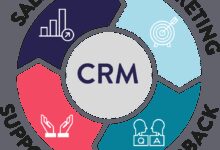
Why CRM Software for Small Business Is a Game-Changer

Small businesses today face fierce competition, rising customer expectations, and the constant pressure to do more with less. A CRM (Customer Relationship Management) system isn’t just for big corporations anymore. In fact, the right CRM software for small business can be the ultimate equalizer, helping you compete with larger players by organizing customer data, automating tasks, and improving sales performance.
Boosts Customer Retention and Satisfaction
One of the biggest challenges for small businesses is keeping customers coming back. With CRM software, every interaction—emails, calls, purchases, support tickets—is logged and accessible. This means your team can provide personalized service every time.
- Track customer preferences and purchase history
- Send timely follow-ups and birthday messages
- Respond faster to inquiries with centralized data
According to a study by Northwestern University, companies using CRM systems see up to a 27% increase in customer retention. For small businesses, where every customer counts, this can mean the difference between survival and growth.
Improves Sales Efficiency and Forecasting
Sales teams often waste time chasing dead leads or losing track of follow-ups. CRM software for small business automates lead tracking, assigns tasks, and provides real-time dashboards that show where each deal stands.
- Visual sales pipelines help identify bottlenecks
- Automated reminders reduce missed opportunities
- Accurate forecasting based on real data
“A CRM doesn’t just store data—it turns it into actionable insights that drive smarter decisions.” — Forbes
Enhances Team Collaboration and Accountability
When your sales, marketing, and support teams work in silos, important information gets lost. A shared CRM platform ensures everyone is on the same page. Whether it’s a sales rep updating a deal stage or a support agent logging a complaint, transparency improves accountability and coordination.
- Assign tasks and set deadlines within the CRM
- Tag team members for follow-up actions
- Monitor team performance with built-in reports
Tools like Zoho CRM offer collaboration features such as activity feeds and internal messaging, making it easier for small teams to stay aligned without relying on endless email threads.
Top 7 CRM Software for Small Business in 2024
Choosing the right CRM software for small business can feel overwhelming. To help you cut through the noise, we’ve analyzed the top 7 platforms based on pricing, ease of use, scalability, and key features. Whether you’re a solopreneur or a growing team of 10, there’s a solution here for you.
1. HubSpot CRM – Best Free Option with Powerful Features
HubSpot CRM is widely regarded as the best free CRM for small businesses. It offers a robust set of tools at no cost, including contact management, deal tracking, email automation, and live chat.
- Free forever plan with no user limits
- Seamless integration with Gmail and Outlook
- Intuitive interface perfect for beginners
While the free version is powerful, HubSpot also offers paid tiers (Sales Hub) for advanced features like sequences, meetings scheduling, and custom reporting. Its ecosystem of marketing, service, and CMS tools makes it a long-term solution as your business grows. Learn more at HubSpot CRM.
2. Zoho CRM – Best for Automation and Scalability
Zoho CRM stands out for its AI-powered assistant, Zia, and strong workflow automation. It’s ideal for small businesses that want to automate repetitive tasks like lead assignment, follow-up emails, and data entry.
crm software for small business – Crm software for small business menjadi aspek penting yang dibahas di sini.
- AI-driven insights and sales predictions
- Customizable workflows and approval processes
- Over 500 app integrations via Zoho Marketplace
Priced from $14/user/month, Zoho CRM offers excellent value. Its mobile app is also highly rated, allowing sales teams to update records on the go. For businesses planning to scale, Zoho’s ecosystem (Books, Campaigns, Desk) provides a unified platform.
3. Salesforce Essentials – Best for Enterprise-Grade Features
Salesforce is the world’s #1 CRM, and Essentials is its entry-level product tailored for small businesses. It brings enterprise-level functionality—like AI insights, reporting, and mobile access—to teams of up to 10 users.
- Powerful customization options
- AI-powered Einstein Activity Capture
- Strong third-party app integration via AppExchange
At $25/user/month, it’s pricier than others, but the depth of features justifies the cost for businesses serious about growth. Visit Salesforce Essentials to explore its capabilities.
4. Freshsales (by Freshworks) – Best for Sales-Focused Teams
Freshsales is built for sales teams that want speed and simplicity. Its visual deal pipeline, built-in phone, and AI-based lead scoring help close deals faster.
- Click-to-call and voicemail drop features
- Automatic lead capture from websites and emails
- Real-time activity tracking and email sequences
The free plan supports up to 10 users, making it a great starting point. Paid plans start at $15/user/month and include advanced analytics and automation. Its clean UI reduces training time, a big plus for small teams.
5. Pipedrive – Best for Visual Sales Pipeline Management
Pipedrive is designed around the sales pipeline, making it perfect for small businesses with straightforward sales processes. Its drag-and-drop interface lets you move deals through stages with ease.
- Visual pipeline keeps sales progress clear
- Activity reminders and automation rules
- Strong reporting on conversion rates and deal velocity
Pipedrive integrates with over 400 tools, including Gmail, Slack, and Mailchimp. Pricing starts at $14.90/user/month, and it offers a 14-day free trial. Check it out at Pipedrive.
6. Insightly – Best for Project and CRM Integration
Insightly combines CRM with project management, making it ideal for service-based small businesses like consultants, agencies, or contractors.
- Link contacts to projects and tasks
- Track project timelines and milestones
- Manage customer relationships alongside deliverables
Its workflow automation and relationship linking features help you see the full picture of client engagements. Plans start at $29/user/month, and it integrates with G Suite, Microsoft 365, and QuickBooks.
7. Agile CRM – Best All-in-One Suite for Tight Budgets
Agile CRM packs marketing, sales, and service tools into one affordable package. It’s a solid choice for startups and solopreneurs who need maximum functionality on a minimal budget.
- Free plan for up to 10 users with basic features
- Marketing automation, email campaigns, and web tracking
- Telephony, helpdesk, and appointment scheduling
While the interface isn’t as polished as others, the feature density is impressive. Paid plans start at $9.99/user/month. Learn more at Agile CRM.
crm software for small business – Crm software for small business menjadi aspek penting yang dibahas di sini.
Key Features to Look for in CRM Software for Small Business
Not all CRM systems are created equal. When evaluating CRM software for small business, focus on features that deliver real value without unnecessary complexity. Here are the essentials:
Contact and Lead Management
The core of any CRM is managing customer and prospect information. Look for tools that automatically capture leads from forms, emails, or websites and organize them in a searchable database.
- Duplicate contact merging
- Custom fields for industry-specific data
- Tagging and segmentation options
A good CRM should let you view a 360-degree customer profile—past purchases, communication history, and notes—all in one place.
Sales Pipeline and Deal Tracking
Visualizing your sales process helps identify where deals stall and where to focus efforts. A drag-and-drop pipeline lets you move opportunities through stages like ‘Lead’, ‘Qualified’, ‘Proposal Sent’, and ‘Closed Won’.
- Customizable deal stages
- Probability-based forecasting
- Deal value and expected close date tracking
Tools like Pipedrive and Zoho CRM excel here, offering intuitive interfaces that make pipeline management effortless.
Automation and Workflow Rules
Time is your most valuable resource. Automation saves hours by handling repetitive tasks like follow-up emails, task assignments, and status updates.
- Automated email sequences based on triggers
- Task creation when a deal moves to a new stage
- Lead scoring and routing to the right salesperson
For example, if a lead downloads a pricing guide, the CRM can automatically tag them as ‘Hot’ and assign a follow-up task to a sales rep.
How to Choose the Right CRM Software for Small Business
Selecting the right CRM software for small business isn’t just about features—it’s about fit. A tool that works for a consulting firm may not suit an e-commerce store. Follow this step-by-step guide to make the best choice.
Assess Your Business Needs and Goals
Start by asking: What problems are you trying to solve? Common goals include:
- Reducing response time to leads
- Improving customer follow-up
- Increasing sales conversion rates
- Centralizing customer data
Write down your top 3-5 objectives. This will help you prioritize features and avoid getting distracted by flashy but irrelevant tools.
Evaluate Ease of Use and Onboarding
A CRM is only useful if your team actually uses it. Complex systems lead to low adoption. Look for platforms with:
crm software for small business – Crm software for small business menjadi aspek penting yang dibahas di sini.
- Intuitive user interface
- Mobile app availability
- Onboarding tutorials and customer support
Most top CRMs offer free trials—use them to test usability. Have your team try entering a few contacts, logging calls, and creating a deal. If it feels clunky, keep looking.
Check Integration Capabilities
Your CRM shouldn’t exist in isolation. It should connect with tools you already use, such as:
- Email (Gmail, Outlook)
- Calendar (Google Calendar, Outlook)
- Accounting (QuickBooks, Xero)
- Marketing (Mailchimp, Facebook Ads)
Platforms like HubSpot and Zoho offer hundreds of native integrations, reducing the need for manual data entry and ensuring smooth workflows.
Implementation Tips for CRM Success
Even the best CRM software for small business will fail without proper implementation. Follow these best practices to ensure a smooth rollout and high user adoption.
Start with Clean Data
Migrating messy or duplicate data into a new CRM will create confusion. Before importing, take time to:
- Remove outdated or irrelevant contacts
- Standardize naming conventions (e.g., ‘Mr.’, ‘Ms.’, company names)
- Deduplicate entries using tools like Import.io or built-in CRM deduplication features
Clean data ensures accurate reporting and a trustworthy system your team can rely on.
Train Your Team Thoroughly
Resistance to change is common. Overcome it with hands-on training and clear communication about the benefits.
- Host live training sessions or use video tutorials
- Assign a CRM champion within the team
- Create a simple user guide with common tasks
Encourage feedback and address concerns quickly. When employees see how the CRM saves them time, adoption will follow.
Customize Gradually
Don’t try to set up every feature on day one. Start with core functions—contact management, deal tracking, and basic automation. Once your team is comfortable, gradually add:
- Custom fields and pipelines
- Advanced workflows
- Reporting dashboards
This phased approach prevents overwhelm and allows for iterative improvements based on real usage.
Common CRM Mistakes Small Businesses Make
Even with the best CRM software for small business, mistakes can derail success. Avoid these common pitfalls to get the most out of your investment.
crm software for small business – Crm software for small business menjadi aspek penting yang dibahas di sini.
Over-Customizing Too Early
It’s tempting to build a perfect system from the start. But over-customizing before understanding user behavior leads to complexity and confusion.
“Simplicity is the ultimate sophistication.” — Leonardo da Vinci
Wait until you’ve used the CRM for a few weeks. Then identify pain points and customize only what’s necessary. Most platforms offer flexible settings that can evolve with your needs.
Ignoring Data Hygiene
CRMs are only as good as the data they contain. Allowing outdated or incorrect information to pile up leads to missed opportunities and poor decision-making.
- Schedule monthly data audits
- Assign ownership of contact updates
- Use automation to flag inactive leads
Set rules for data entry—e.g., mandatory fields for new contacts—to maintain consistency.
Not Measuring ROI
How do you know if your CRM is working? Define key metrics before implementation, such as:
- Sales cycle length
- Conversion rates
- Customer satisfaction (CSAT) scores
- Time spent on administrative tasks
Compare these metrics before and after CRM adoption. If you’re not seeing improvement, investigate usage patterns and retrain as needed.
Future Trends in CRM for Small Businesses
The CRM landscape is evolving fast. Small businesses that stay ahead of trends can gain a competitive edge. Here are the key developments shaping the future of CRM software for small business.
AI and Predictive Analytics
Artificial intelligence is no longer just for tech giants. Modern CRMs use AI to:
- Predict which leads are most likely to convert
- Suggest the best time to follow up
- Automatically log emails and calls
For example, Salesforce Einstein and Zia in Zoho CRM analyze past behavior to recommend next steps, helping small teams act like data-driven enterprises.
Mobile-First and Offline Access
With more sales happening remotely, mobile CRM access is essential. Future CRMs will offer richer mobile experiences, including offline mode, voice input, and augmented reality for field service.
- Update deals while on a customer visit
- Access customer history without internet
- Use voice commands to log notes
Platforms like HubSpot and Freshsales already offer robust mobile apps, but expect even deeper functionality in the coming years.
crm software for small business – Crm software for small business menjadi aspek penting yang dibahas di sini.
Integration with Communication Platforms
CRMs are becoming central hubs that connect with communication tools like Slack, WhatsApp, and Zoom.
- Log a Zoom call directly to a contact’s timeline
- Receive Slack notifications when a deal stage changes
- Send WhatsApp messages from within the CRM
This integration reduces context switching and ensures all customer interactions are captured in one place.
What is CRM software for small business?
CRM software for small business is a tool that helps manage customer interactions, track sales leads, automate marketing, and improve customer service. It centralizes customer data to improve relationships and drive growth.
Is there a free CRM software for small business?
Yes, several CRM platforms offer free plans, including HubSpot CRM, Agile CRM, and Freshsales. These free versions often include core features like contact management, deal tracking, and email integration.
How much does CRM software for small business cost?
Prices vary widely. Free plans are available for small teams, while paid plans typically range from $10 to $50 per user per month, depending on features and scalability.
Can CRM software integrate with my existing tools?
Most modern CRM systems integrate with popular tools like Gmail, Outlook, QuickBooks, Mailchimp, and Slack. Always check integration options before choosing a platform.
How long does it take to implement a CRM?
crm software for small business – Crm software for small business menjadi aspek penting yang dibahas di sini.
Implementation can take anywhere from a few days to several weeks, depending on data complexity, team size, and customization needs. Starting with a phased approach speeds up adoption.
Choosing the right CRM software for small business is one of the smartest investments you can make. From boosting sales efficiency to enhancing customer satisfaction, the benefits are clear. Whether you start with a free tool like HubSpot or invest in a scalable solution like Zoho or Salesforce, the key is to act. Evaluate your needs, test a few options, and pick the one that aligns with your goals. With the right CRM, your small business won’t just survive—it will thrive.
Recommended for you 👇
Further Reading:
