Running a small business? A CRM system for small business can be your secret weapon. It organizes customer data, boosts sales, and improves service—all in one smart platform. Let’s explore how it transforms your operations.



What Is a CRM System for Small Business?

A CRM (Customer Relationship Management) system for small business is a digital tool designed to help small companies manage interactions with current and potential customers. It centralizes customer information, tracks communication history, and streamlines sales, marketing, and customer service processes. Unlike large enterprises that may use complex, expensive CRM platforms, small businesses benefit from simplified, affordable, and scalable solutions tailored to their size and needs.
Core Functions of a Small Business CRM
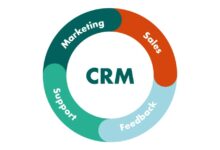
At its heart, a CRM system for small business performs several essential functions that directly impact growth and efficiency. These include contact management, lead tracking, sales pipeline visualization, task automation, and customer support logging.
- Contact Management: Store and organize customer names, emails, phone numbers, purchase history, and preferences.
- Lead Tracking: Monitor where prospects are in the sales funnel and assign follow-up tasks.
- Sales Pipeline Tools: Visual dashboards show deal stages, helping forecast revenue and prioritize efforts.
These features eliminate the chaos of spreadsheets and sticky notes, replacing them with a unified system that keeps your team aligned and informed.
Types of CRM Systems
Not all CRM systems are the same. Small businesses typically choose from three main types: operational, analytical, and collaborative CRMs.
- Operational CRM: Focuses on automating sales, marketing, and service processes. Ideal for startups managing daily customer interactions.
- Analytical CRM: Emphasizes data analysis to understand customer behavior and improve decision-making. Useful for businesses with growing customer databases.
- Collaborative CRM: Enhances communication between departments by sharing customer insights across sales, marketing, and support teams.
For most small businesses, an operational CRM with some analytical features offers the best balance of functionality and ease of use. Platforms like Zoho CRM and HubSpot CRM are excellent examples of user-friendly, scalable solutions.
“A CRM isn’t just a database—it’s a relationship engine that turns random interactions into predictable revenue.” — Sales Expert, Maria Thompson
Why Every Small Business Needs a CRM System for Small Business
Many small business owners still rely on manual methods like Excel sheets or email folders to manage customer relationships. While this might work in the early stages, it quickly becomes unsustainable as the customer base grows. A CRM system for small business solves this scalability problem by automating routine tasks and providing real-time insights.
Eliminates Data Silos
One of the biggest challenges in small teams is information fragmentation. Sales might have customer notes in their inbox, while support has logs in a separate app. A CRM system for small business breaks down these silos by creating a single source of truth.
- All team members access the same customer profile.
- Updates are synced in real time across devices.
- No more duplicate data entry or lost conversations.
This transparency ensures that whether a customer calls support or talks to a sales rep, they get consistent, informed service.
Improves Customer Retention
Acquiring a new customer can cost five times more than retaining an existing one. A CRM system for small business helps nurture long-term relationships by tracking customer preferences, purchase history, and service interactions.
- Automated follow-ups keep clients engaged after a sale.
- Personalized marketing campaigns increase loyalty.
- Service teams can resolve issues faster with full context.
According to a study by Northwestern University, companies using CRM systems see up to a 27% increase in customer retention rates.
Top 5 Features to Look for in a CRM System for Small Business
Not all CRM platforms are created equal. When choosing a CRM system for small business, focus on features that deliver real value without overwhelming your team. Here are the top five must-have capabilities.
1. Contact and Lead Management
The foundation of any CRM is its ability to store and organize customer data. Look for a system that allows you to segment contacts by tags, status, or behavior.
- Import contacts from email, social media, or spreadsheets.
- Tag leads by source (e.g., website form, referral, ad campaign).
- Set custom fields for industry, budget, or project stage.
This level of organization helps prioritize high-value leads and personalize outreach.
2. Sales Pipeline Automation
A visual sales pipeline shows where each deal stands—prospecting, negotiation, closing, etc. The best CRM systems for small business let you customize stages and set automated reminders.
- Drag-and-drop interface to move deals through stages.
- Automated email sequences when a lead reaches a new stage.
- Forecast revenue based on pipeline data.
Tools like Pipedrive specialize in intuitive pipeline management, making it easy for non-technical users to adopt.
3. Email Integration and Tracking
Email remains a primary communication channel. A powerful CRM system for small business integrates with your email client (like Gmail or Outlook) and tracks opens, clicks, and replies.
- Log sent emails automatically to the customer’s profile.
- See when a prospect opens your proposal.
- Schedule follow-up emails based on engagement.
This feature eliminates guesswork and helps you time your next move perfectly.
How a CRM System for Small Business Boosts Sales Efficiency
Sales teams in small businesses often wear multiple hats. A CRM system for small business acts as a force multiplier by reducing administrative work and focusing energy on closing deals.
Reduces Manual Data Entry
Manually logging calls, emails, and meetings eats up hours each week. A CRM with automation features can capture this data in the background.
- Sync calendar events and log them as activities.
- Auto-populate contact details from email signatures.
- Use mobile apps to update records on the go.
This not only saves time but also improves data accuracy, leading to better decision-making.
Enables Smarter Lead Prioritization
Not all leads are equally valuable. A CRM system for small business uses behavioral data to score leads based on engagement level.
- Assign points for website visits, email opens, or demo requests.
- Highlight hot leads that are ready to buy.
- Route high-scoring leads to senior sales reps automatically.
This ensures your team focuses on prospects most likely to convert, improving close rates and shortening sales cycles.
“With our CRM, we cut lead response time from 48 hours to under 15 minutes. Conversions jumped by 35%.” — Jason Lee, Founder of TechStart Solutions
Best CRM Systems for Small Business in 2024
With dozens of options on the market, choosing the right CRM system for small business can be overwhelming. Here’s a curated list of the top platforms based on affordability, ease of use, and feature richness.
1. HubSpot CRM
HubSpot offers a free CRM system for small business that includes contact management, email tracking, deal pipelines, and live chat. Its intuitive interface makes onboarding quick, and the free plan covers most basic needs.
- Free forever plan with essential features.
- Seamless integration with marketing and service hubs.
- Excellent customer support and educational resources.
As your business grows, you can upgrade to paid tiers for advanced automation and reporting. Learn more at HubSpot CRM.
2. Zoho CRM
Zoho CRM is a powerful, scalable solution that’s especially popular among tech-savvy small businesses. It offers AI-powered insights, workflow automation, and deep customization.
- AI assistant (Zia) predicts deal closures and suggests next steps.
- Customizable dashboards and reports.
- Integrates with over 40 Zoho apps and third-party tools.
Zoho’s pricing starts at $14/user/month, making it cost-effective for growing teams. Visit Zoho CRM to explore plans.
3. Pipedrive
Pipedrive is built for sales-focused small businesses. Its visual pipeline interface helps teams stay organized and focused on moving deals forward.
- Drag-and-drop pipeline management.
- Activity reminders and goal tracking.
- Strong mobile app for field sales reps.
Pipedrive’s simplicity makes it ideal for startups and solo entrepreneurs. Plans start at $14.90/user/month. Check it out at Pipedrive.
How to Implement a CRM System for Small Business Successfully
Choosing a CRM is just the first step. Successful implementation requires planning, training, and ongoing optimization. Many small businesses fail to see ROI because they skip these critical phases.
Define Clear Goals and Use Cases
Before installing any CRM system for small business, identify what you want to achieve. Common goals include:
- Reducing lead response time.
- Increasing sales conversion rates.
- Improving customer satisfaction scores.
Map out specific workflows—like how a new lead is captured, assigned, and followed up—to ensure the CRM supports your actual processes.
Start Small and Scale Gradually
Don’t try to migrate all your data and automate everything on day one. Begin with core features like contact management and a simple sales pipeline.
- Import only active customers and leads.
- Train the team on basic navigation and logging.
- Gradually add automation and reporting as users get comfortable.
This phased approach reduces resistance and increases adoption rates.
Train Your Team Effectively
Even the best CRM system for small business fails if the team doesn’t use it. Invest time in training sessions, create quick-reference guides, and appoint a CRM champion.
- Conduct hands-on workshops with real scenarios.
- Record video tutorials for common tasks.
- Encourage feedback and address concerns promptly.
According to Gartner, companies with structured CRM training see 50% higher user adoption rates.
Common CRM Implementation Mistakes to Avoid
Even with the best intentions, small businesses often make critical errors when adopting a CRM system for small business. Being aware of these pitfalls can save you time, money, and frustration.
Migrating Poor-Quality Data
Importing outdated, duplicate, or incomplete data into your CRM creates confusion and erodes trust in the system. Clean your data before migration.
- Remove inactive or invalid contacts.
- Standardize naming conventions and formats.
- Deduplicate entries using tools like Import.io.
A clean database ensures accurate reporting and effective automation.
Over-Customizing Too Early
While customization is a strength of many CRM platforms, overdoing it early can backfire. Complex workflows and excessive fields overwhelm users and slow performance.
- Stick to default settings initially.
- Only customize fields and processes that are essential.
- Wait until you’ve used the system for a few months to identify real needs.
Let user feedback guide your customization, not assumptions.
Ignoring Mobile Access
Many small business teams work remotely or on the go. A CRM system for small business must have a reliable mobile app.
- Ensure the mobile version supports key functions like logging calls and updating deals.
- Test offline mode for areas with poor connectivity.
- Enable push notifications for urgent tasks.
Mobile access keeps your team productive no matter where they are.
Measuring the ROI of Your CRM System for Small Business
Investing in a CRM should deliver measurable returns. To evaluate success, track key performance indicators (KPIs) before and after implementation.
Sales Cycle Length
A well-implemented CRM system for small business often shortens the sales cycle by improving follow-up speed and deal visibility.
- Compare average days to close a deal pre- and post-CRM.
- Identify bottlenecks in the pipeline using CRM reports.
- Set targets to reduce cycle time by 10–20%.
Shorter cycles mean faster revenue and better cash flow.
Customer Acquisition Cost (CAC)
CRM automation reduces the time and effort needed to convert leads, lowering your CAC.
- Calculate CAC by dividing total sales and marketing costs by the number of new customers.
- Track how CAC changes after CRM adoption.
- Use CRM data to optimize ad spend and targeting.
A study by Nremt.org found that businesses using CRM reduced CAC by an average of 18%.
Customer Satisfaction and Retention
Happy customers stay longer and refer others. Use CRM data to monitor satisfaction trends.
- Track support ticket resolution times.
- Send post-purchase surveys via CRM email sequences.
- Monitor repeat purchase rates and lifetime value (LTV).
When LTV increases while CAC decreases, your CRM is delivering real ROI.
What is the best CRM system for small business?
The best CRM system for small business depends on your specific needs. HubSpot CRM is ideal for startups wanting a free, easy-to-use platform. Zoho CRM offers deep customization and AI features for growing teams. Pipedrive excels in sales pipeline management. Evaluate based on budget, team size, and required features.
How much does a CRM system for small business cost?
Costs vary widely. Many CRMs offer free plans (like HubSpot) for basic use. Paid plans typically range from $10 to $50 per user per month. Some charge flat rates regardless of user count. Always consider long-term scalability when evaluating cost.
Can a CRM system for small business integrate with other tools?
Yes, most modern CRM systems for small business integrate with email, calendars, marketing automation, accounting software, and e-commerce platforms. Look for native integrations or use tools like Zapier to connect apps.
Is a CRM only for sales teams?
No, a CRM system for small business benefits marketing, customer service, and even finance teams. It centralizes customer data, enabling better coordination across departments and improving overall customer experience.
How long does it take to implement a CRM?
Implementation time varies. Simple CRMs can be set up in a few days. More complex systems may take 4–8 weeks, including data migration, customization, and training. A phased rollout is recommended for smooth adoption.
Adopting a CRM system for small business is one of the smartest moves you can make to scale efficiently. It brings order to chaos, empowers your team with insights, and strengthens customer relationships. Whether you’re a solopreneur or a growing team, the right CRM can transform how you engage with customers and drive revenue. Start small, focus on core needs, and let the data guide your growth. The future of your business isn’t just in your hands—it’s in your CRM.
Further Reading: